

Effective roof ventilation is critical for maintaining a commercial building’s structural integrity and energy efficiency. Implementing solutions such as ridge and soffit vents, along with advanced turbine and powered ventilators, can greatly enhance airflow. Regular maintenance and innovative technologies, including automated systems with IoT capabilities, further optimize performance. Understanding the specific needs and indicators of poor ventilation will be essential in determining the most appropriate strategies for improvement. What steps can be taken to guarantee long-term effectiveness?
Key Takeaways
- Install ridge vents to facilitate warm air escape from the roof’s peak, enhancing overall airflow.
- Incorporate soffit vents for effective fresh air intake, promoting continuous circulation throughout the building.
- Utilize powered ventilators to ensure adequate airflow during peak temperatures, especially in larger spaces.
- Regularly maintain and clean all vents to prevent blockages and ensure optimal performance year-round.
- Consider automated ventilation systems with IoT connectivity for real-time monitoring of temperature and humidity levels.
How to Improve Roof Ventilation: Essential Techniques
To enhance roof ventilation in commercial buildings, several essential techniques can be employed. One effective method is the installation of ridge vents, which allow warm air to escape from the highest points of the roof. Additionally, soffit vents can be incorporated to facilitate fresh air intake, promoting a balanced airflow. Another technique involves using exhaust fans strategically placed to expel hot air, particularly in areas prone to heat buildup. Proper insulation also plays a critical role in maintaining ideal temperatures and preventing moisture accumulation. Regular maintenance, including clearing debris from vents, guarantees sustained performance. Understanding how to improve roof ventilation not only enhances energy efficiency but also contributes to the longevity of the building’s structure.
Identifying Signs of Poor Roof Ventilation?
How can one recognize the signs of poor roof ventilation in a commercial building? Key indicators include excessive heat accumulation in the attic, leading to increased energy costs and discomfort for occupants. Visible moisture or condensation on interior surfaces may suggest inadequate airflow, fostering potential mold growth. Additionally, the presence of peeling paint or rust on metal components can indicate high humidity levels resulting from poor ventilation. Roof materials may also suffer from premature deterioration due to trapped heat and moisture. Ultimately, a noticeable increase in energy bills can signal that the HVAC system is working harder to compensate for insufficient ventilation. Recognizing these signs is essential for maintaining a healthy and efficient commercial building environment.
Top Methods to Improve Roof Ventilation
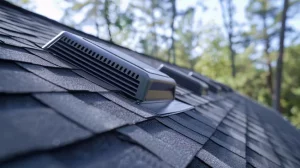
Effective roof ventilation is vital for maintaining the overall health and efficiency of commercial buildings. To improve roof ventilation, several methods can be employed. First, installing ridge vents allows hot air to escape from the roof’s peak, enhancing airflow. Second, soffit vents facilitate the intake of cooler air, creating a continuous circulation. Third, the inclusion of turbine vents can greatly boost exhaust capabilities, especially in larger spaces. Additionally, utilizing powered ventilators can guarantee adequate airflow during peak temperature periods. Regular maintenance, including cleaning and inspecting vents, is also essential for peak performance. By implementing these strategies, building managers can effectively address ventilation concerns, ensuring a comfortable and energy-efficient environment.
Cutting-Edge Technologies for Roof Ventilation Improvement
Advancements in technology have introduced innovative solutions for enhancing roof ventilation in commercial buildings. Automated ventilation systems, utilizing sensors and IoT connectivity, actively monitor temperature and humidity levels, adjusting airflow in real-time to improve conditions. Energy recovery ventilators (ERVs) have emerged as an essential technology, allowing buildings to reclaim energy from exhaust air, thereby improving efficiency. Additionally, smart roof materials, equipped with reflective coatings, enhance thermal performance while reducing heat buildup. These cutting-edge technologies not only promote healthier indoor environments but also contribute to energy savings and sustainability. By integrating these solutions, facility managers can effectively address how to improve roof ventilation, ensuring peak performance and longevity of the building structure.
How to Maintain Optimal Roof Ventilation Year-Round
Maintaining ideal roof ventilation year-round is crucial for the longevity and efficiency of commercial buildings. Regular inspections should be conducted to identify blockages in vents and guarantee that exhaust systems function at their best. Implementing a routine maintenance schedule that includes cleaning gutters and checking insulation can greatly enhance airflow. Additionally, utilizing automated monitoring systems can provide real-time data on temperature and humidity levels, helping to adjust ventilation strategies proactively. It is also advisable to engage with HVAC professionals for expert assessments periodically. By adopting these practices, building managers can effectively improve roof ventilation, ensuring a comfortable environment while minimizing energy costs and extending the lifespan of roofing materials. This proactive approach fosters a sense of community and shared responsibility among stakeholders.
Frequently Asked Questions
What Are the Costs Associated With Improving Roof Ventilation?
Costs associated with improving roof ventilation vary widely, typically encompassing materials, installation, and potential structural modifications. Budgeting should also consider ongoing maintenance and energy savings, ensuring a thorough approach to efficient ventilation solutions.
Can Roof Ventilation Affect Energy Efficiency in My Building?
Roof ventilation greatly impacts a building’s energy efficiency. Proper ventilation reduces heat buildup, enhances HVAC performance, and lowers energy consumption, ultimately leading to cost savings and a more sustainable environment for occupants and businesses alike.
How Often Should I Inspect My Roof Ventilation System?
Roof ventilation systems should be inspected at least twice a year, ideally in spring and fall. Regular assessments help identify potential issues, ensuring peak performance and extending the lifespan of the roofing structure.
Are There Local Regulations Regarding Roof Ventilation Standards?
Local regulations regarding roof ventilation standards vary by jurisdiction. It is essential for building owners to consult local codes to guarantee compliance, as these regulations typically dictate minimum ventilation requirements for safety and energy efficiency.
What Are the Benefits of Professional Roof Ventilation Assessments?
Professional roof ventilation assessments identify inefficiencies, enhance energy efficiency, and prolong roof lifespan. They guarantee compliance with regulations, optimize indoor air quality, and ultimately contribute to a safe, comfortable environment for occupants and businesses alike.
Conclusion
In summary, enhancing roof ventilation in commercial buildings is vital for maintaining air quality and prolonging the lifespan of roofing materials. By implementing strategies such as ridge and soffit vents, installing turbine and powered ventilators, and embracing automated systems with IoT capabilities, building owners can greatly improve airflow and energy efficiency. Regular maintenance and monitoring are essential to guarantee these systems operate effectively, ultimately leading to reduced energy costs and a healthier indoor environment.
You May Also Like To Read: